

HANTU777 – Situs Judi Bola Online Main di Agen Sbobet


Situs Judi Bola Online Terpercaya Nomor 1 di Indonesia
HANTU777, dikenal sebagai arena taruhan bola online yang top banget, menawarkan pengalaman taruhan yang unik dan seru, pas banget buat kamu yang doyan bola. Sebagai agen resmi Sbobet, website mereka itu luar biasa, aman dan terpercaya, cocok buat para bettor yang ingin pasang taruhan pada berbagai pertandingan bola dari seluruh penjuru dunia.
Keamanan dan Kepercayaan di HANTU777
HANTU777 itu bintangnya dunia judi online, dengan kekuatan super di bidang keamanan dan kepercayaan. Dengan lisensi yang legit dan sistem proteksi yang mantap, mereka pastikan semua info pribadi dan simpanan dana kamu aman banget. Keberadaan mereka di arena Sbobet itu kayak rempah misterius yang memberikan cita rasa tambahan, membuat petualangan judi online kamu semakin berwarna dan penuh semangat!


HANTU777 itu seperti memberi akses tol VIP untuk semua pemain, dari yang baru terjun sampai yang sudah berpengalaman. Tampilan situsnya yang ramah pengguna, membuat semua orang bisa dengan mudah berkeliling dan memasang taruhan. Ditambah lagi, dengan teknologi yang responsif seperti sihir, memungkinkan situs ini diakses dari mana saja, baik lewat komputer, tablet, maupun smartphone. Rasanya seperti memiliki kendali jarak jauh untuk menjelajahi semesta judi!
Kemudahan Deposit dalam Judi Bola di HANTU777
Di dunia judi bola, deposit cepat dan mudah itu kunci. HANTU777 tahu banget dan kasih banyak pilihan bayar, dari bank sampai e-wallet, prosesnya kilat! Langsung bisa taruhan tanpa nunggu, bikin main judi online jadi seru banget, kayak main game favoritmu.
Proses Withdraw Cepat dan Aman di HANTU777
Buat pemain judi bola yang mau dana cepat cair, HANTU777 punya solusi dengan sistem penarikan dana yang gampang dan aman. Prosesnya dirancang untuk keamanan dan kenyamanan kamu, cepat banget verifikasinya. Jadi, kalo menang, langsung bisa nikmatin duitnya. HANTU777 tuh kayak dokter keuangan andalan di dunia judi bola online!
Varietas Pilihan Judi Bola dan Permainan Lainnya
HANTU777 adalah surga judi bola dengan berbagai macam taruhan untuk semua pemain. Tidak hanya bola, ada juga slot online dan kasino langsung buat yang ingin seru-seruan lengkap. Singkatnya, HANTU777 itu tempat seru buat pengalaman judi yang menyenangkan, kayak hari libur di taman hiburan dewasa!
Dukungan Pelanggan Responsif dan Profesional di Situs Judi Bola
HANTU777, superhero layanan pelanggan yang selalu on! Situs judi bola terpercaya ini siap dengan bantuan cepat dari live chat hingga telepon. Timnya yang handal bak ninja, menjamin pengalaman bermainmu seru dan lancar. Mereka itu teman setia yang selalu ada buat kamu!
| ✅Nama Website | 🟣HANTU777 |
| ✅Engine Terbaik | 🏷RAJAPLAY |
| ✅Permainan Terbaik | 🟢Slot Online & 🔵Judi Bola Online |
| ✅Fitur Rajaplay | 📱Handphone, 💻Tablet, & 🖥Komputer |
| ✅Pelayanan | ⏰24 Jam |
| ✅Jenis Taruhan Terlaris | ▶Mix Parlay, Tebak Skor, Handicap, 1X2 |
| ✅Permainan di Rajaplay Terlaris | ⚽Casino, 🎲Sportsbook, 🎰Slot Online |
Pendahuluan: HANTU777 – Lebih dari Sekadar Situs Judi Bola
Ada sesuatu yang memacu adrenalin ketika kita menyaksikan bola menggelinding di lapangan hijau, mengikuti setiap gerakan pemain yang berlari, berjuang, dan bertarung dengan semangat yang membuncah. Bagi beberapa orang, sepak bola bukan hanya sekadar pertandingan; ini adalah nyawa, sebuah cerita epik yang terus berulang, penuh dengan drama, kegembiraan, dan terkadang, kepedihan. Namun, bagi Anda, para penggemar sepak bola sejati, ada cara lain untuk meningkatkan intensitas pengalaman Anda, yaitu dengan bertaruh pada tim favorit Anda, menjadikan setiap tendangan, setiap gol, setiap kemenangan, bukan hanya sekadar tontonan, tapi sebuah partisipasi aktif dalam legenda yang hidup.
Di sinilah HANTU777 memasuki cerita Anda. Sebuah platform yang lahir dari cinta terhadap permainan dan komitmen terhadap keadilan serta kegembiraan bersama. Kami bukan hanya sekadar situs judi bola; kami adalah teman yang memahami gairah Anda, kekhawatiran Anda, dan keinginan Anda untuk berada lebih dekat dengan tim yang Anda dukung. HANTU777 adalah tentang menjadikan setiap pertandingan sebagai kesempatan Anda untuk bersinar, untuk membuktikan intuisi Anda, dan tentu saja, untuk merayakan kemenangan.
Kami mengerti bahwa di dunia yang penuh ketidakpastian ini, kepercayaan adalah segalanya. Anda ingin tempat di mana Anda dapat menaruh harapan dan dana Anda dengan aman, sebuah lingkungan yang tidak hanya menyediakan keseruan namun juga keamanan. Inilah sebabnya mengapa HANTU777 hadir sebagai solusi, sebagai Situs Judi Bola Terpercaya yang memahami dan menghormati setiap aspek kepercayaan yang Anda berikan. Kami tidak hanya berbicara tentang keamanan transaksi, namun juga tentang transparansi, integritas, dan komitmen untuk memberikan pengalaman bermain yang adil dan menyenangkan.
Jadi, jika Anda mencari tempat di mana setiap detik dari pertandingan sepak bola tidak hanya dirasakan tapi juga dihargai, di mana setiap kemenangan Anda disambut dengan kegembiraan yang sama yang Anda rasakan, maka selamat, Anda telah menemukan rumah baru Anda. Bergabunglah dengan kami di HANTU777, di mana setiap taruhan bukan hanya tentang menang atau kalah, tapi tentang menjadi bagian dari sesuatu yang lebih besar, sebuah komunitas yang berbagi cinta dan kegembiraan untuk permainan yang paling indah di dunia. Ini bukan sekadar permainan, ini adalah perjalanan, dan perjalanan itu dimulai di sini.
Sejarah dan Perkembangan HANTU777
Di sebuah sudut kecil dari dunia yang gemar akan sepak bola, lahir sebuah ide yang berani. Ide itu bukan sekadar mimpi, tapi sebuah kebutuhan, hasrat yang mendalam untuk mengubah cara orang menikmati permainan sepak bola. Dari keinginan sederhana itu, HANTU777 muncul ke permukaan, tidak hanya sebagai platform taruhan, tapi sebagai harapan baru bagi para penggemar sepak bola yang ingin lebih dari sekadar menonton.
Awalnya, HANTU777 hanyalah benih, sebuah gagasan kecil yang ditanam dalam tanah kesempatan. Dengan sumber daya yang terbatas, tim kami berjuang, menghadapi tantangan demi tantangan, namun tidak pernah kehilangan pandangan tentang apa yang kami percayai: sebuah situs judi bola yang dapat dipercaya, sebuah tempat di mana setiap penggemar bola bisa merasa aman, dihargai, dan menjadi bagian dari komunitas.
Tahun-tahun berlalu, dan dengan dedikasi serta kecintaan terhadap permainan, HANTU777 mulai tumbuh, mekar seperti bunga di musim semi. Kami belajar dari setiap kesalahan, kami dengarkan setiap masukan, dan kami membangun dari setiap kritik. Lapis demi lapis, kami menambah fitur, keamanan, dan variasi permainan, tidak hanya untuk memenuhi harapan, tapi untuk melampaui impian pengguna kami.
Evolusi HANTU777 tidak hanya terjadi di belakang layar. Kami menyaksikan bagaimana komunitas kami berkembang, dari beberapa anggota menjadi ribuan jiwa yang berbagi cinta yang sama terhadap sepak bola. Setiap anggota baru adalah bukti bahwa apa yang kami bangun tidak hanya tentang taruhan, tapi tentang membawa orang bersama, menghilangkan batasan geografis dan sosial, menyatukan hati di bawah satu hasrat yang tak terbendung.
Hari ini, HANTU777 bukan lagi benih; kami adalah pohon yang kuat, dengan akar yang mendalam dan cabang yang meluas ke langit. Tapi tidak peduli seberapa jauh kami telah datang, kami tidak pernah lupa dari mana kami berasal. Setiap keputusan yang kami buat, setiap fitur yang kami tambahkan, didasarkan pada prinsip asli kami: kepercayaan, komunitas, dan cinta terhadap permainan.
Dari laga klasik yang menggetarkan hati hingga pertandingan lokal yang membangkitkan semangat komunal, HANTU777 telah menjadi lebih dari sekadar situs taruhan. Kami telah menjadi rumah, sebuah tempat di mana setiap penggemar sepak bola, tidak peduli dari mana mereka berasal atau tim mana yang mereka dukung, dapat datang dan merasakan kegembiraan, ketegangan, dan tentu saja, keajaiban sepak bola. Kami berjanji untuk terus berinovasi, untuk terus melayani, dan yang paling penting, untuk terus menjaga api kecintaan terhadap sepak bola tetap menyala dalam hati setiap anggota komunitas HANTU777.
Fitur Unggulan HANTU777
Di dunia yang penuh dengan kejutan dan ketidakpastian, kami di HANTU777 percaya bahwa setiap detik yang Anda habiskan bersama kami adalah sebuah janji – janji akan pengalaman yang tidak hanya menyenangkan tetapi juga memuaskan dan mengesankan. Karena itu, setiap fitur yang kami hadirkan bukan sekedar tambahan pada platform kami, melainkan sebuah cerminan dari komitmen kami untuk keunggulan dan kepuasan Anda.
A. Keamanan Tanpa Kompromi
Di atas segalanya, keamanan Anda merupakan prioritas kami. Kami memahami bahwa dalam dunia taruhan, kepercayaan adalah segalanya. Oleh karena itu, kami telah merancang sistem keamanan yang ketat, menggabungkan teknologi enkripsi terkini dan protokol keamanan yang mengesankan, untuk memastikan bahwa setiap transaksi, setiap taruhan, dan setiap momen yang Anda habiskan bersama kami dilindungi dari segala ancaman. Di HANTU777, ketenangan pikiran Anda bukan sekadar harapan; itu adalah jaminan.
B. Kemudahan Akses dan Transaksi
Kami mengerti bahwa di era yang serba cepat ini, kemudahan dan kecepatan adalah kunci. Maka dari itu, HANTU777 dirancang untuk memberikan Anda akses yang mulus dan transaksi yang lancar, apakah Anda berada di komputer, tablet, atau ponsel. Dengan antarmuka yang intuitif dan sistem navigasi yang mudah, setiap detik yang Anda habiskan dalam permainan menjadi lebih berharga dan produktif. Kami ingin Anda fokus pada permainan, bukan pada rintangan teknis.
C. Variasi Permainan yang Luas
Sepak bola adalah sebuah universum yang luas, penuh dengan kemungkinan, gairah, dan cerita. Di HANTU777, kami berusaha untuk menangkap esensi ini dengan menyediakan berbagai pilihan taruhan yang luas. Dari liga besar hingga pertandingan lokal, dari taruhan langsung hingga taruhan pra-pertandingan, kami memberikan Anda akses ke dunia sepak bola seperti belum pernah ada sebelumnya. Setiap pertandingan, setiap liga, dan setiap tim adalah kesempatan baru untuk Anda, dan kami di sini untuk memastikan bahwa Anda tidak pernah kehabisan pilihan.
D. Dukungan Pelanggan yang Hangat dan Profesional
Kami mengerti bahwa di balik setiap layar, ada seorang manusia dengan harapan, kekhawatiran, dan pertanyaan. Itulah sebabnya tim dukungan pelanggan kami bukan hanya sekedar operator; mereka adalah hati dan jiwa dari HANTU777. Siap melayani Anda kapan saja, dengan respons yang cepat, empati, dan profesionalitas, tim kami ada untuk memastikan bahwa setiap masalah Anda teratasi, dan setiap pertanyaan Anda dijawab. Kami di sini untuk Anda, bukan hanya sebagai penyedia layanan, tetapi sebagai teman dan pendamping di setiap langkah perjalanan Anda.
E. Pengalaman Personalisasi
Di HANTU777, kami percaya bahwa setiap penggemar sepak bola unik, dengan preferensi dan gaya taruhan mereka sendiri. Itulah sebabnya kami menawarkan pengalaman yang dapat disesuaikan sepenuhnya, memungkinkan Anda untuk menyesuaikan tampilan dan nuansa platform sesuai dengan keinginan Anda. Dari notifikasi real-time hingga riwayat taruhan pribadi, setiap aspek dari pengalaman Anda di situs kami dapat disesuaikan untuk mencerminkan preferensi dan kebutuhan Anda yang sebenarnya.
Di HANTU777, kami tidak hanya menyediakan platform, kami menyediakan sebuah rumah bagi setiap penggemar sepak bola. Sebuah tempat di mana Anda dapat bersantai, terlibat, dan tentu saja, menang. Setiap fitur yang kami bangun, setiap inovasi yang kami lakukan, adalah demi Anda – penggemar sepak bola, penjudi yang cerdas, dan bagian dari keluarga besar HANTU777. Selamat datang di rumah; selamat datang di masa depan taruhan sepak bola.
Varietas Permainan dan Taruhan
Dalam dunia sepak bola, setiap pertandingan adalah sebuah kisah, setiap tim adalah sebuah legenda, dan setiap pemain adalah seorang pahlawan dalam cerita yang tak pernah berakhir. Di HANTU777, kami menghargai kedalaman dan keragaman cerita ini dengan menyajikan varietas permainan dan taruhan yang tak tertandingi, sebuah perpustakaan tanpa batas dari peluang dan mimpi yang bisa Anda jangkau dengan satu klik.
A. Ragam Pertandingan Sepak Bola
Dari deru liga premier global hingga kehangatan liga lokal yang penuh gairah, setiap pertandingan yang Anda inginkan ada di sini, di HANTU777. Kami memungkinkan Anda untuk menyelami setiap sudut dunia sepak bola, untuk mendukung tim yang tumbuh dalam hati Anda, atau bahkan untuk menemukan kecintaan baru. Dengan jadwal yang terus diperbarui, Anda tidak pernah kehilangan satu momen pun, dari pertandingan besar hingga pertarungan kecil yang menentukan nasib.
B. Keragaman Taruhan
Di HANTU777, setiap pertandingan membuka dunia kemungkinan. Anda tidak hanya memilih pemenang; Anda merangkul setiap aspek permainan. Dari taruhan skor akhir hingga jumlah kartu kuning, dari pencetak gol pertama hingga hasil babak pertama, kami memberikan Anda alat untuk tidak hanya menebak, tetapi untuk menganalisis, memahami, dan benar-benar terlibat dalam setiap detik dari permainan. Ini bukan hanya tentang kemenangan, ini tentang penguasaan, tentang menjadi bagian dari permainan itu sendiri.
C. Interaksi Langsung dan Dinamis
Kami mengerti bahwa sepak bola adalah tentang momen, tentang detik-detik yang tak terduga yang membuat jantung berdetak kencang. Itulah mengapa HANTU777 menawarkan taruhan langsung, memungkinkan Anda untuk berinteraksi dengan pertandingan saat itu terjadi, untuk mengubah strategi, untuk merespons dalam real-time. Ini adalah tarian yang menegangkan antara strategi dan keberuntungan, sebuah permainan dalam permainan, yang memberikan tingkat kedalaman dan kegembiraan yang tidak dapat ditemukan di tempat lain.
D. Kesempatan Untuk Semua
Kami percaya bahwa setiap penggemar sepak bola, tidak peduli seberapa besar atau kecil bankroll mereka, harus memiliki kesempatan untuk terlibat. Oleh karena itu, HANTU777 menawarkan berbagai level taruhan, memastikan bahwa semua orang, dari pemula hingga penjudi berpengalaman, dapat menemukan tempat mereka. Dengan panduan, tips, dan statistik, kami membantu Anda membuat keputusan terinformasi, meningkatkan kesempatan Anda untuk menang, sambil mempertahankan semangat permainan.
E. Koneksi Emosional
Lebih dari sekadar angka dan odds, taruhan di HANTU777 adalah tentang membuat koneksi emosional dengan permainan yang Anda cintai. Ini adalah tentang merasakan suka dan duka bersama tim Anda, tentang merayakan setiap gol seolah-olah Anda sendiri yang mencetaknya. Di sini, setiap taruhan adalah pernyataan cinta Anda terhadap sepak bola, sebuah bukti bahwa, di dalam setiap penggemar, ada seorang pemain, seorang strategis, seorang pemenang.
Di HANTU777, setiap pertandingan sepak bola menjadi sebuah dunia baru yang siap Anda jelajahi. Ini adalah undangan Anda untuk merasakan kegembiraan, tantangan, dan kepuasan dari taruhan sepak bola yang sebenarnya. Dengan varietas permainan dan taruhan yang luas, kami tidak hanya memberi Anda peluang, kami memberi Anda kesempatan untuk menjadi bagian dari permainan itu sendiri. Selamat datang di lapangan impian, tempat setiap pertandingan adalah peluang baru untuk meraih kemenangan.
Komunitas dan Dukungan Pelanggan
Di jantung HANTU777, terdapat lebih dari sekadar permainan dan taruhan; ada sebuah komunitas, sebuah keluarga yang dibangun di atas kecintaan bersama terhadap sepak bola. Setiap anggota adalah bagian dari jalinan cerita kami, tiap taruhan adalah benang yang mengikat kami lebih dekat. Kami percaya bahwa kekuatan komunitas dapat mengangkat semangat, memberi kekuatan, dan mengubah pengalaman taruhan menjadi sesuatu yang luar biasa.
A. Jalinan Persaudaraan
Komunitas HANTU777 bukan sekedar kumpulan individu; ini adalah persaudaraan dan persisteran yang berkumpul dalam nama gairah dan kesenangan. Di sini, Anda dapat berbagi kegembiraan, mendiskusikan strategi, dan merayakan kemenangan bersama. Melalui forum, grup, dan media sosial, kami membangun jembatan yang menghubungkan hati dan pikiran, menciptakan ruang yang aman dan mendukung untuk semua penggemar sepak bola. Di HANTU777, Anda bukan sekadar pemain; Anda adalah bagian dari sesuatu yang lebih besar, bagian dari tim yang mendukung satu sama lain.
B. Dukungan Pelanggan yang Berhati
Ketika Anda membutuhkan bantuan, tim dukungan pelanggan HANTU777 ada di sini untuk Anda. Kami mengerti bahwa di balik setiap pertanyaan adalah seseorang dengan kebutuhan dan perasaan yang nyata. Oleh karena itu, kami menawarkan dukungan yang bukan hanya cepat dan efisien, tetapi juga hangat dan penuh perhatian. Kami mendengarkan, kami peduli, dan kami berdedikasi untuk menyelesaikan masalah Anda dengan cara yang paling memuaskan. Setiap interaksi adalah kesempatan bagi kami untuk menunjukkan berapa banyak kami menghargai Anda, untuk membuktikan bahwa Anda tidak pernah sendiri dalam ini.
C. Edukasi dan Pemberdayaan
Kami percaya bahwa pengetahuan adalah kekuatan, terutama dalam dunia taruhan. Di HANTU777, kami berkomitmen untuk mendidik dan memberdayakan anggota kami. Melalui panduan, artikel, dan tutorial, kami membantu Anda mengasah keahlian Anda, meningkatkan pemahaman Anda, dan memperkuat kepercayaan diri Anda dalam bertaruh. Komunitas kami adalah tempat untuk belajar, tumbuh, dan menjadi lebih baik, baik sebagai penjudi maupun sebagai penggemar sepak bola.
D. Keterlibatan dan Partisipasi
Di HANTU777, setiap suara penting. Kami mengundang Anda untuk berpartisipasi, untuk berkontribusi dengan ide-ide Anda, feedback Anda, dan cerita Anda. Ini adalah kesempatan Anda untuk membentuk masa depan HANTU777, untuk membantu kami menjadi lebih baik, lebih inklusif, dan lebih menarik. Melalui survei, pemungutan suara, dan acara khusus, suara Anda tidak hanya didengar tetapi juga dihargai.
E. Kebersamaan dalam Setiap Pertandingan
Setiap kali Anda masuk ke HANTU777, Anda masuk ke sebuah ruangan penuh teman-teman yang belum Anda ketahui. Di sini, setiap pertandingan adalah kesempatan untuk bersama-sama menahan napas, berbagi tegang, dan merayakan. Kami menyatukan orang-orang dari seluruh dunia, dari berbagai latar belakang, bersatu dalam cinta mereka terhadap sepak bola dan kegembiraan taruhan.
Di HANTU777, kami bukan hanya tentang menang atau kalah; kami tentang membangun hubungan, mendukung satu sama lain, dan menikmati permainan yang kita cintai. Ini lebih dari sekadar tempat untuk bertaruh; ini adalah rumah bagi komunitas yang berkembang, tempat di mana Anda selalu diterima, dihargai, dan didukung. Selamat datang di keluarga kami; selamat datang di HANTU777.
Testimoni dan Kisah Sukses
Dalam setiap sudut HANTU777, tersimpan cerita-cerita penuh inspirasi yang menunjukkan lebih dari sekadar kemenangan; mereka adalah narasi tentang harapan, ketekunan, dan terkadang, tentang transformasi hidup. Di balik setiap taruhan, ada cerita manusia, cerita yang layak diceritakan dan dirayakan.
A. Suara dari Hati Para Pemenang
Setiap testimoni yang kami terima bukan sekadar kata-kata; mereka adalah jantung yang berbicara, suara dari mereka yang telah menyaksikan mimpi mereka menjadi kenyataan. Ada Rian, seorang mahasiswa yang dengan strategi cerdas dan sedikit keberuntungan, berhasil melunasi hutang kuliahnya. Dia berbagi bagaimana HANTU777 bukan hanya memberinya platform untuk bertaruh, tetapi juga harapan baru dan pelajaran berharga dalam pengelolaan keuangan.
Lalu ada Dian, seorang ibu rumah tangga yang menemukan kegembiraan dan keberanian baru dalam hidupnya melalui HANTU777. Taruhan sepak bolanya yang berhasil bukan hanya mengubah pandangannya tentang permainan, tetapi juga memberinya kepercayaan diri dan independensi finansial yang belum pernah dia rasakan sebelumnya.
B. Kisah Transformasi yang Menginspirasi
Kisah-kisah ini tidak hanya tentang uang yang dimenangkan; mereka tentang bagaimana kemenangan itu mengubah hidup. Seperti Ahmad, yang berbagi kisah bagaimana taruhan berhasilnya di HANTU777 memungkinkannya untuk memulai bisnis kecilnya sendiri, membuka jalan baru dan harapan untuk keluarganya. Ceritanya bukan sekadar tentang kemenangan finansial, tetapi tentang kemenangan pribadi, tentang mengatasi ketakutan dan menghadapi masa depan dengan kepala tegak.
C. Pelajaran dari Para Veteran
Tidak hanya cerita baru yang menghangatkan hati kami, tetapi juga nasihat dan pelajaran dari para veteran, mereka yang telah lama bersama kami di HANTU777. Mereka berbagi tips tentang strategi taruhan, manajemen risiko, dan pentingnya menjaga keseimbangan antara hobi dan tanggung jawab. Kisah-kisah ini tidak hanya memberikan panduan bagi anggota baru, tetapi juga mengingatkan kami semua tentang nilai-nilai penting dalam taruhan dan dalam kehidupan.
D. Kegembiraan yang Dibagi Bersama
Lebih dari sekadar kemenangan individu, testimoni ini adalah cermin dari kegembiraan kolektif yang dirasakan di HANTU777. Setiap kisah sukses adalah bukti dari komunitas yang mendukung, lingkungan yang memungkinkan anggota kami untuk berkembang, dan tentunya, dari sistem yang adil dan terpercaya yang kami bangun. Ini bukan hanya tentang taruhan; ini tentang merayakan keberhasilan bersama, sebagai satu keluarga, satu komunitas.
E. Harapan untuk Masa Depan
Setiap testimoni, setiap cerita sukses, adalah bintang yang menyinari langit HANTU777, memberikan cahaya dan inspirasi bagi yang lain untuk mengikuti. Mereka adalah bukti bahwa dengan strategi yang tepat, keberanian untuk bertaruh, dan sedikit keberuntungan, impian bisa menjadi kenyataan.
Di HANTU777, kami bangga menjadi saksi dari transformasi ini, dari kisah-kisah sukses yang tidak hanya merubah kehidupan individu tetapi juga menginspirasi komunitas. Kami mengundang Anda untuk menjadi bagian dari cerita ini, untuk menciptakan kisah sukses Anda sendiri. Siapa tahu, mungkin kisah Anda yang akan kami rayakan berikutnya.
Cara Bergabung dan Mulai Bermain Judi Bola
Langkah Anda memasuki dunia HANTU777, tidak hanya merupakan langkah menuju petualangan baru dalam judi bola, tapi juga awal dari sebuah perjalanan penuh harapan, kegembiraan, dan mungkin, kisah sukses yang akan Anda kenang sepanjang hidup. Berikut adalah panduan hati ke hati untuk memulai perjalanan Anda.
A. Mendaftar: Pintu Gerbang Anda ke Dunia Baru
Langkah pertama adalah tentang membuka pintu; mendaftar di HANTU777. Prosesnya sederhana, dirancang untuk menyambut Anda dengan tangan terbuka. Kunjungi situs kami, klik pada tombol ‘Daftar’, dan isi formulir dengan informasi yang diperlukan. Ingat, setiap detail Anda adalah rahasia yang kami jaga dengan hati-hati. Kami menghormati privasi Anda sebagaimana kami menghormati kepercayaan yang Anda berikan.
B. Melakukan Deposit: Menanam Benih Harapan
Setelah menjadi bagian dari keluarga HANTU777, langkah berikutnya adalah menanam benih pertama Anda: melakukan deposit. Kami menyediakan berbagai metode pembayaran untuk memudahkan Anda, dari transfer bank hingga e-wallet. Pilihlah metode yang paling nyaman bagi Anda, dan ingat, setiap sen yang Anda depositkan adalah benih harapan, langkah awal menuju potensi kemenangan yang tak terbatas.
C. Menjelajahi Dunia Taruhan: Memilih Jalan Anda
Dengan akun yang siap dan dana yang tersedia, kini saatnya untuk menjelajahi. HANTU777 menawarkan beragam permainan dan taruhan, dari liga besar hingga pertandingan lokal. Ambil waktu Anda, jelajahi opsi yang ada, dan pilih permainan yang paling menggugah semangat Anda. Ingat, setiap taruhan adalah sebuah cerita yang menunggu untuk ditulis, setiap permainan adalah panggung bagi potensi kemenangan Anda.
D. Memasang Taruhan: Menuliskan Nasib Anda
Memilih permainan hanyalah awal; kini saatnya untuk menuliskan nasib Anda. Pilih jenis taruhan yang ingin Anda lakukan, tentukan jumlahnya, dan ikuti intuisi Anda. Setiap klik adalah ketukan drum yang mengumumkan keberanian Anda, setiap taruhan adalah langkah tari dalam perayaan sepak bola dan kehidupan. Jangan takut untuk mengambil risiko, tetapi selalu ingat untuk bertaruh dengan bijak dan bertanggung jawab.
E. Menikmati Permainan: Merayakan Setiap Momen
Dengan taruhan yang dipasang, saatnya untuk menikmati permainan. Tonton pertandingan, rasakan setiap detik, dan biarkan diri Anda terbawa dalam drama dan kegembiraan sepak bola. Menang atau kalah, ingatlah bahwa setiap permainan adalah pengalaman, setiap taruhan adalah pelajaran, dan setiap momen yang Anda habiskan di HANTU777 adalah bagian dari perjalanan Anda.
Di HANTU777, setiap langkah yang Anda ambil adalah bagian dari cerita yang lebih besar, sebuah cerita tentang keberanian, harapan, dan komunitas. Kami di sini untuk mendukung Anda di setiap langkah, untuk merayakan setiap kemenangan, dan untuk berdiri bersama Anda dalam setiap tantangan. Selamat datang di keluarga, selamat datang di rumah baru Anda. Langkah berikutnya adalah milik Anda.
Kesimpulan: HANTU777 – Lebih dari Sekadar Situs Judi Bola
Di penghujung perjalanan ini, kami berdiri di puncak pengamatan, melihat kembali jalan yang telah kita lalui bersama. HANTU777 bukan hanya sebuah platform; ini adalah cerita yang terus berkembang, sebuah saga yang dibangun atas dasar keberanian, komunitas, dan tentu saja, cinta terhadap sepak bola.
Kami telah menyaksikan bagaimana sebuah ide bisa tumbuh menjadi rumah bagi ribuan hati, bagaimana setiap taruhan adalah tanda kepercayaan, dan bagaimana setiap kemenangan adalah suara kegembiraan yang bergema. HANTU777 adalah bukti bahwa judi bola bisa lebih dari sekadar permainan; ini bisa menjadi pengalaman yang memperkaya, yang menghubungkan kita tidak hanya dengan permainan, tetapi dengan satu sama lain.
A. Refleksi Tentang Komitmen dan Kepercayaan
Dalam setiap langkah, setiap fitur, dan setiap permainan, kami mencerminkan komitmen kami kepada Anda, anggota dari keluarga besar HANTU777. Kami membangun ini dengan fondasi kepercayaan dan integritas, berusaha untuk selalu menjaga keamanan dan kebahagiaan Anda.
B. HANTU777: Pengalaman yang Mendalam dan Beragam
Dari ragam taruhan hingga kekayaan komunitas, dari dukungan pelanggan hingga kesuksesan yang dirayakan bersama, HANTU777 menawarkan lebih dari sekadar platform taruhan; kami menawarkan sebuah dunia yang bisa Anda jelajahi, tempat di mana Anda bisa bertumbuh, belajar, dan tentu saja, menang.
C. Ajakan untuk Bergabung dalam Perayaan
Kami membuka pintu lebar-lebar untuk Anda, untuk menjadi bagian dari cerita ini, untuk menuliskan bab Anda sendiri dalam buku sejarah kami. Di HANTU777, setiap orang adalah bintang, setiap taruhan adalah kesempatan, dan setiap pertandingan adalah perayaan.
D. Penegasan tentang Komitmen Kami
Di penghujung hari, kami di HANTU777 berjanji untuk terus berada di sisi Anda, untuk terus berinovasi, mendengarkan, dan memperkaya pengalaman Anda. Kami tidak hanya menyediakan platform; kami menyediakan tempat yang bisa Anda panggil rumah, sebuah tempat di mana kemenangan lebih dari sekadar angka, tapi juga perayaan dari semangat dan komunitas.
E. Langkah Berikutnya adalah Milik Anda
Kami telah membuka jalan, menyalakan lampu, dan sekarang, panggung adalah milik Anda. Langkah berikutnya adalah sebuah langkah ke dalam dunia yang penuh kemungkinan, petualangan, dan tentu saja, kemenangan. Bergabunglah dengan kami, dan mari kita buat sejarah bersama.
Di HANTU777, cerita Anda baru saja dimulai. Ini bukan sekadar akhir dari suatu kesimpulan, tetapi awal dari sesuatu yang luar biasa. Selamat datang di keluarga, selamat datang di rumah. Mari kita rayakan sepak bola, mari kita rayakan kehidupan, mari kita rayakan setiap momen yang kita bagi bersama. Di HANTU777, setiap hari adalah hari untuk menang.
Penutup: Sebuah Persinggahan dalam Perjalanan Panjang
Ketika langit senja mulai memeluk cakrawala, dan cerita hari ini perlahan menutup lembarannya, izinkan saya untuk berbagi kata-kata terakhir dalam perjalanan kita di HANTU777. Ini bukanlah akhir, tetapi sebuah persinggahan, sebuah momen untuk menghela napas, merenung, dan menghargai setiap langkah yang telah kita lalui bersama.
A. Ucapan Terima Kasih yang Tulus
Dengan hati yang penuh kehangatan, saya ingin menyampaikan terima kasih yang tak terhingga kepada Anda, yang telah berjalan bersama kami, yang telah mempercayai kami, dan yang telah menjadi bagian dari keluarga besar ini. Tanpa Anda, tidak ada cerita yang bisa diceritakan, tidak ada kemenangan yang bisa dirayakan.
B. Refleksi Tentang Perjalanan Bersama
Perjalanan ini, seperti perjalanan hidup, penuh dengan suka dan duka, dengan kemenangan dan kekalahan, tetapi yang terpenting, penuh dengan pelajaran dan pertumbuhan. Di HANTU777, kami berharap kami telah menjadi lebih dari sekadar tempat bertaruh; kami berharap kami telah menjadi sahabat, pendamping, dan mungkin, sebuah pelabuhan di tengah badai.
C. Harapan dan Doa untuk Masa Depan
Ketika kita berdiri di ambang waktu, melihat ke depan ke hari-hari yang akan datang, kami mengirimkan harapan dan doa kami untuk Anda. Semoga keberuntungan selalu berada di sisi Anda, semoga kegembiraan mengisi hari-hari Anda, dan yang paling penting, semoga kedamaian dan kebahagiaan selalu menemani langkah Anda.
D. Undangan untuk Terus Bersama
Pintu HANTU777 selalu terbuka untuk Anda, dengan lampu yang selalu menyala, menanti kepulangan Anda. Ini adalah undangan untuk terus bersama kami, untuk terus menjadi bagian dari cerita yang tak pernah berakhir ini. Mari kita lanjutkan perjalanan ini, mari kita ciptakan lebih banyak kenangan, mari kita raih lebih banyak kemenangan.
E. Penghormatan Terakhir: Selamat Jalan dan Sampai Bertemu Lagi
Saat kata-kata ini berakhir, izinkan saya untuk memberikan penghormatan terakhir, sebuah selamat jalan yang penuh harapan. Di HANTU777, Anda bukan hanya anggota; Anda adalah keluarga, dan seperti keluarga, perpisahan bukanlah akhir. Ini hanyalah ‘sampai bertemu lagi’, dalam permainan, dalam kehidupan, dalam setiap momen kegembiraan yang masih menanti kita.
Terima kasih telah menjadi bagian dari perjalanan ini. Terima kasih telah berbagi tawa dan air mata. Terima kasih telah menjadikan HANTU777 lebih dari sekadar situs judi bola, tetapi sebuah rumah bagi semangat dan harapan.
Sampai kita bertemu lagi, simpan baik-baik kenangan ini, jaga api semangat Anda, dan teruslah bermain, teruslah bermimpi, karena dalam setiap mimpi, ada kemungkinan untuk menjadi kenyataan.
Selamat jalan, dan sampai bertemu lagi di lapangan hijau penuh harapan dari HANTU777.
VISI KAMI
Website Judi Bola Online Terkeren di Indonesia ini, seperti mantra ajaib yang memberikan pengalaman taruhan yang aman, inovatif, dan memuaskan bagi penggemar bola. Visi HANTU777 mirip dengan misi superhero yang ingin mendominasi ranah judi bola online di Indonesia, dengan mengedepankan layanan aman, penuh dengan ide-ide genial, dan membuat setiap pemain tersenyum puas. HANTU777 berambisi menjadi zona bermain idaman bagi para pecinta sepak bola, tempat dimana mereka dapat menikmati kegembiraan taruhan berkualitas tinggi, serasa menyaksikan final yang mendebarkan.
MISI KAMI
Misi HANTU777 sebagai situs judi bola online yang paling top adalah seperti superhero dengan tugas mulia: menyuguhkan pengalaman bermain yang aman dan penuh tawa. Kami bagaikan pengawal setia, memastikan keamanan data dan transaksi kalian dengan teknologi keamanan yang super canggih, mirip adegan di film-film spy. Kami juga terus menerus inovatif dalam permainan dan teknologi, layaknya ilmuwan yang tak pernah berhenti menciptakan hal baru. Ditambah lagi, layanan pelanggan kami super responsif dan berkualitas, siap sedia bak sahabat yang selalu ada saat kamu butuh.
Kami menyediakan berbagai macam permainan yang dirancang untuk memenuhi kebutuhan semua pemain, seperti buffet lezat dengan ragam pilihan dari seluruh penjuru dunia. Kami juga mendukung judi yang bertanggung jawab sebagai bagian dari dedikasi kami untuk kebahagiaan dan kepuasan kalian. Bermain di HANTU777 itu seperti berada di taman hiburan yang seru dan penuh dengan kejutan menyenangkan.
Apa yang dikatakan Member Setia Hantu777?


Sebagai pemain setia di arena judi bola online, saya harus bilang, HANTU777 itu luar biasa! Di sini, bukan hanya ada berbagai pilihan taruhan, tapi odds-nya juga menantang, serasa ikut lomba masak yang sering kita lihat di TV. Navigasi situsnya super ramah pengguna, bikin saya leluasa menjelajahi dan temukan game yang diincar, seperti main cilukba online.
Saya pengen kasih dua jempol buat keamanan mereka yang mumpuni, bagaikan tembok besar yang kokoh. Ini membuat saya taruhan dengan perasaan tenang, seperti sedang menikmati waktu di taman, bebas dari worry. Singkat cerita, main di HANTU777 itu asyik dan aman banget, saya jadi kerasan dan nggak kepikiran untuk beralih ke tempat lain.
ANDI

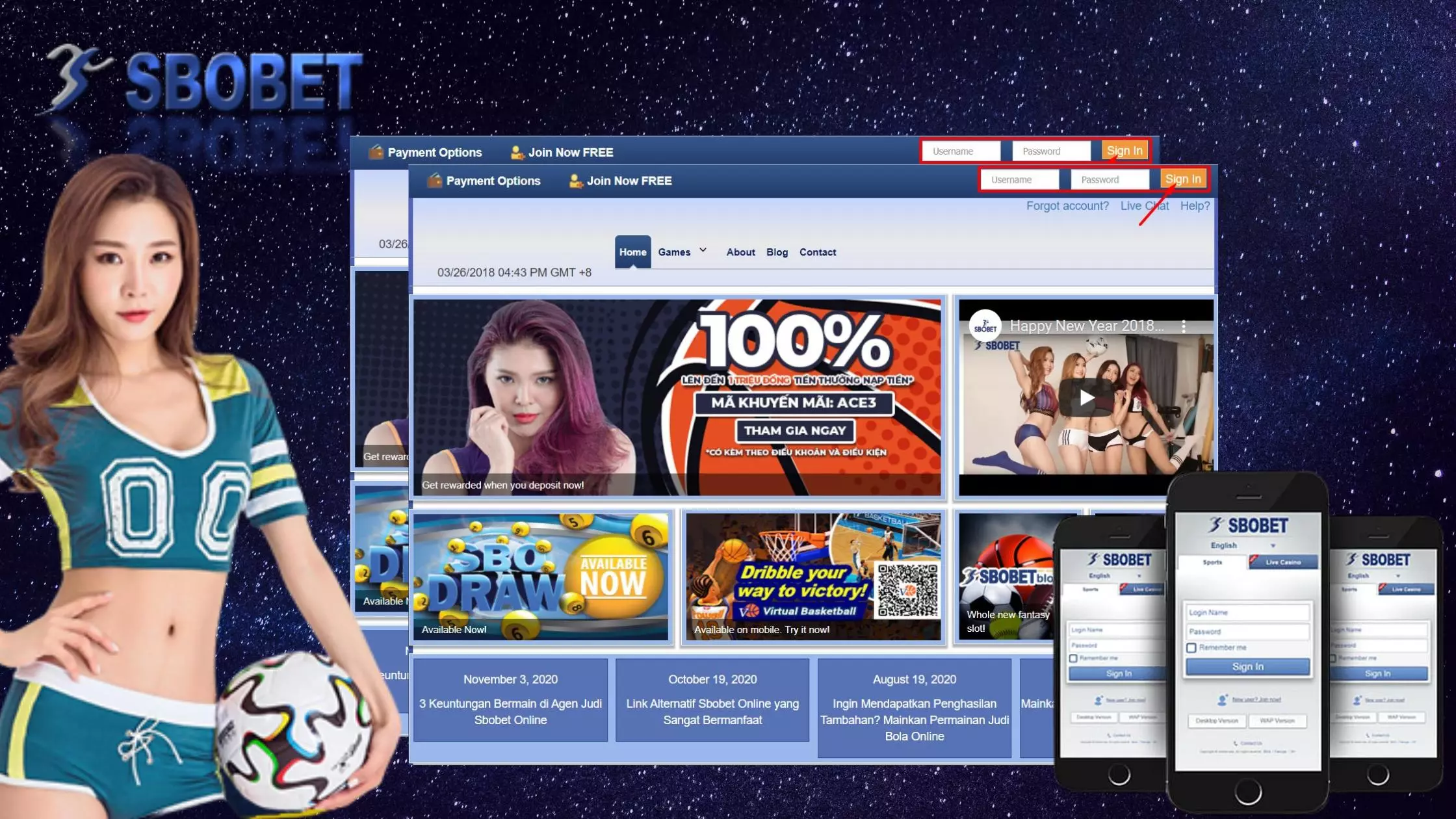
Gabung Sekarang di HANTU777 – Dunia Judi Bola yang Aman dan Menyenangkan
Nikmati pengalaman berjudi bola yang belum pernah ada sebelumnya bersama HANTU777! Kami menyajikan arena taruhan super aman, seperti berlindung di bawah payung saat hujan lebat, ditambah dengan ragam permainan yang kaya inovasi, serasa berbelanja di supermarket permainan. Dengan tim layanan pelanggan yang tangguh layaknya superhero dan proses transaksi yang mudah bagaikan memainkan game jadul favorit, kami pastikan petualangan taruhanmu berjalan mulus dan penuh kegembiraan, seakan-akan menaiki roller coaster tanpa rasa mual. Ayo, gabung sekarang juga dan temukan keseruan di dunia judi bola dengan keamanan dan kepercayaan yang solid, ibarat dasar dari gedung pencakar langit. Jelajahi aneka taruhan dan raih kemenanganmu bersama HANTU777, tempat para penggemar judi bola berparadise. Di sini, tiap taruhan menawarkan keseruan dan kejutan, seperti episode baru dari serial misteri favoritmu!
2023 HANTU777 – Situs Judi Bola Online Main di Agen Sbobet.